Key Takeaways
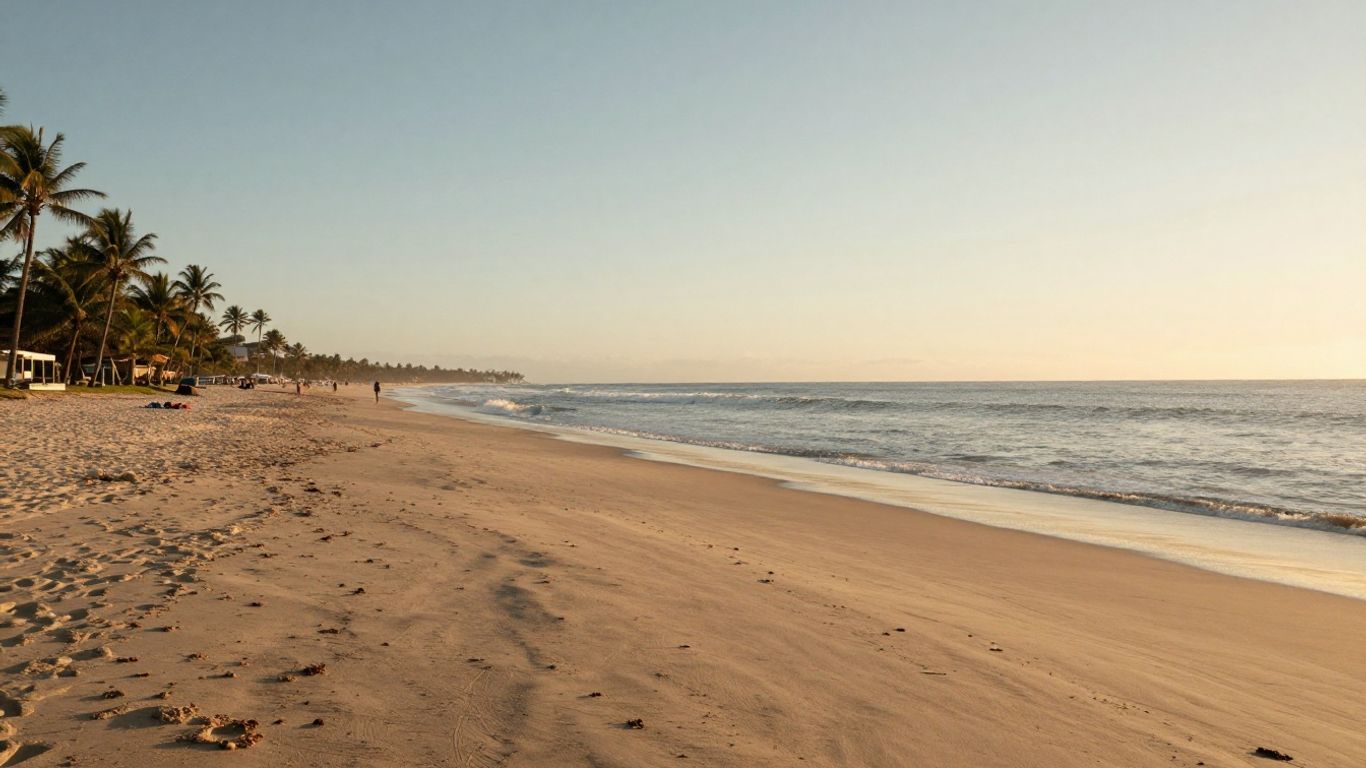
Guanacaste’s Pacific beaches offer different ways to spend the last light of the day, from lively town shores to quieter stretches of sand. A little planning can leave more room to enjoy the view.
- Choose a beach that suits the mood and pace of your evening.
- Treat sunset time as seasonal; check the local forecast before you go.
- Arrive early to enjoy the softer light before the sun reaches the horizon.
- Bring water and essentials, and make a plan for getting back safely.
- Keep beach access, dining, and lodging preferences in mind when planning a stay.
Choosing a stretch of coast
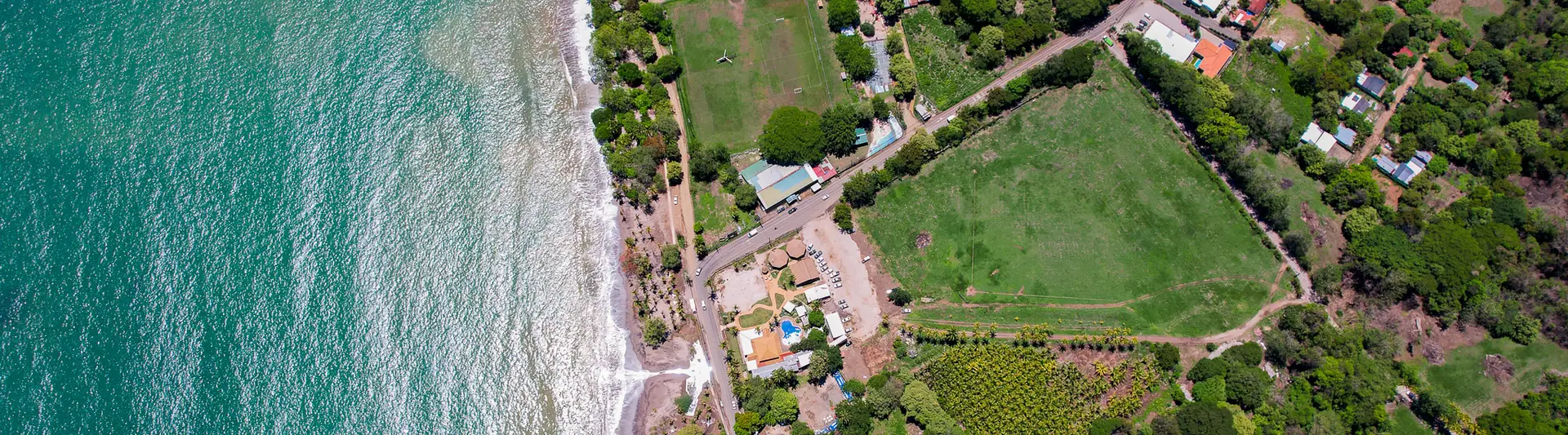
There is no single right place to watch sunsets in guanacaste beachfront settings; the best choice depends on what you want around the view. Some beaches sit close to restaurants and town life, while others invite a slower walk with fewer distractions. Arcadia at Brasilito Beach is a master-planned community offering luxury beachfront condos and direct beach access, one example of how a stay can keep the shoreline close. For more ideas, browse these Guanacaste sunset viewpoints as you weigh the feel of each stretch of coast.
Tamarindo for an easygoing beach-town atmosphere
Tamarindo suits an evening when you want the beach and a town center within easy reach. You can stroll along the sand, watch the sky change, then decide whether to stay for dinner or head back at your own pace. The combination can feel sociable without requiring a tightly planned itinerary.
Playa Flamingo for a resort-style setting
Playa Flamingo may appeal if you picture a more resort-oriented backdrop to the evening. The shoreline gives you room to pause and watch the light, while nearby accommodations and dining can make it easy to shape the rest of the night. Check the specific access points and services near your chosen stretch before setting out.
Playa Conchal for a distinctive shoreline
Playa Conchal is known for its pale, shell-like shoreline, which gives an evening walk a different texture from broad, sandy beaches. Take care where you step, and leave shells and other natural features undisturbed. The beach itself can be the focus here: an unhurried stroll, a few moments by the water, and the horizon opening up in front of you.
Quieter beaches for a more secluded view
If you would rather hear the water than a busy town, look for a less-visited beach and check how straightforward it is to reach. A quiet shoreline can be lovely, but limited lighting and services may mean you need to plan your return more carefully. Pick a spot that feels comfortable for the whole evening, not just the sunset itself.
Understanding sunset timing and conditions
The sun sets over the Pacific each evening, but the surrounding light and sky can feel quite different from one visit to the next. Season, cloud cover, and your view of the western horizon all shape what you see. Build a little flexibility into the plan rather than expecting a particular color or a clear sky. For a sense of the coast at dusk, this Pacific sunset photo collection offers visual inspiration.
How the time of year affects sunset
Guanacaste’s sunset time shifts gradually over the year, so check a current local sunset listing for the date of your visit rather than relying on a fixed hour. The exact minute matters less than allowing enough time to reach the beach, find a comfortable spot, and watch the light change. Even a small buffer makes the evening feel less rushed.
Dry-season skies and green-season clouds
Dry-season evenings may bring clearer skies, while green-season clouds can add layers and shifting color. Neither pattern guarantees a particular kind of sunset, and conditions can vary from day to day. These broad seasonal tendencies can help set expectations, but the local sky gets the final say.
| What you notice | Possible evening feel | A useful approach |
|---|---|---|
| Mostly clear sky | A cleaner view of the sun near the horizon | Choose a spot with an open western view |
| Scattered clouds | Light and color may shift across the sky | Stay a little longer after sunset |
| Heavier cloud cover | The sun may be obscured | Enjoy the changing shoreline light instead |
A simple way to use the table is to treat it as a prompt, not a forecast. If the sun slips behind clouds, the sky and water can still hold soft color for a while, so there is no need to leave the moment the bright disk disappears.
Checking local forecasts before heading out
A quick look at the local forecast can help you decide whether to bring a light rain layer or adjust your timing. Forecasts are not a promise of a clear horizon, especially near the coast, so keep your plan adaptable. If clouds build, a relaxed dinner or an earlier beach walk can still make for a pleasant evening.
Arriving early to catch the changing light
Arriving before the sun nears the horizon gives you time to settle in and notice how the beach changes as the daylight softens. The water, sand, and nearby silhouettes can all look different in the minutes before dusk. The light changes quickly, so arrive with enough time to enjoy the transition rather than rushing in for one photograph.
Planning a sunset beach experience
A good beach evening does not need a complicated itinerary. Decide whether the sunset is the main event or one part of a longer outing, then give yourself room to adjust. Access, dinner plans, and the walk back matter as much as the view. In coastal towns, a little advance thought helps the evening stay easy.
Pairing a beach visit with dinner
If dinner is part of the plan, check restaurant hours and whether you need a reservation, especially during busy travel periods. You might watch the sunset first and eat afterward, or choose a meal nearby and take a short walk before the sky darkens. Either way, avoid scheduling the meal so tightly that you have to watch the clock instead of the horizon.
Choosing between a walk, swim, or relaxed evening
Think about what you want from the beach before you arrive: movement, a brief dip, or simply a place to sit and watch. Conditions and local guidance should shape any decision to swim, particularly late in the day. A walk is often the simplest choice when you are unfamiliar with the beach, while a quiet pause can be just as satisfying.
Checking access and parking near the shore
Beach access and parking arrangements can differ from one place to another, and availability may change with the season or time of day. Look for current local information and follow posted instructions rather than assuming every route is open. Allow a few extra minutes for parking or walking in, especially if you are aiming to arrive before the light begins to fade.
Bringing layers, water, and beach essentials
A small, considered bag can make the evening more comfortable without turning it into an expedition. Keep it simple and bring only what suits the length of your visit.
- Carry drinking water, especially if you will be walking before sunset.
- Bring a light layer for the breeze after the sun goes down.
- Pack a small light to help with the route back if needed.
- Use a secure bag for essentials and take all belongings with you.
Once you have the basics, you can leave room to linger instead of fussing over what you forgot. Keep the shoreline tidy and take any rubbish away when you leave.
Capturing the colors and coastal scenery
Photographs can preserve a detail of the evening, but the beach is often more enjoyable when you take time to look before reaching for a camera. The same shoreline can feel completely different as the light fades, from bright reflections to softer silhouettes. Think about the horizon, the people around you, and the conditions underfoot. A few careful choices can make a small set of images feel more personal.
Picking a viewpoint with an open western horizon
Look for a place where the horizon is not blocked by buildings, headlands, or dense vegetation, while staying within public access areas. A small change in position can open up the view without requiring a long walk. If you are not sure where access is permitted, follow local signs or ask nearby staff rather than crossing private property.
Using changing light for portraits and landscapes
The minutes before and after sunset offer different possibilities: warm light on faces earlier, then broader shapes and silhouettes as the sky dims. For landscapes, include a little shoreline or foreground detail to give the horizon context. You do not need to chase every color; wait for a moment that feels true to the evening.
Protecting camera gear from sand and salt
Sand and salt spray can find their way into bags and equipment, especially when the breeze picks up. Keep gear covered when it is not in use, avoid changing lenses near blowing sand, and wipe down equipment after you leave the beach. A phone or camera kept safely in a closed bag is often more useful than an elaborate setup you have to constantly protect.
Photographing respectfully around other visitors
A beach sunset is a shared experience, so be mindful of where you stand and where your camera points. Give other people space, avoid blocking a narrow path, and ask before taking close-up portraits of anyone outside your group. Sometimes stepping aside for a few seconds is all it takes to leave the view open for everyone.
Staying safe as daylight fades
The shoreline can feel different once the light drops, and it is worth thinking about the return before settling in. Water conditions, footing, and visibility all deserve attention. Keep the evening relaxed by choosing a beach and route that suit your group and comfort level. When local guidance is available, follow it even if the water looks calm.
Watching surf, currents, and changing tide conditions
Waves and currents can be difficult to judge from the sand, and conditions may change as the evening goes on. Do not assume that a familiar beach is safe for swimming at every hour or tide. If you are uncertain, stay out of the water and ask a local authority or lifeguard where guidance is available.
Keeping track of belongings on the beach
Take only what you need, keep valuables out of sight, and stay aware of your belongings while you enjoy the view. If you are with others, agree on a simple way to keep an eye on bags without making the whole evening feel guarded. Before leaving, make a quick check of the sand around your spot so nothing is left behind.
Planning a well-lit route back
Notice how you will return before it gets dark: the path, parking area, and any turns that may be harder to see at night. A small flashlight can help, but it is better to choose a route that is clear and familiar where possible. If the way back seems confusing or poorly lit, consider leaving before visibility drops too far.
Following local guidance about swimming and beach access
Local signs, staff, and authorities can provide the most relevant direction about access and water conditions. Respect closures and posted warnings, even if other visitors appear to be ignoring them. When in doubt, enjoy the sunset from dry sand and choose another time for a swim.
Making the most of a beachfront stay
A beachfront stay can make it easier to fit an evening walk into the day, but lodging choices also shape the pace of a trip. Consider what matters most: a short path to the water, a lively town nearby, or a quieter setting. Arcadia at Brasilito Beach offers luxury beachfront condos in Costa Rica, with direct beach access described as part of its setting. To compare the character of nearby communities, read about Brasilito and Flamingo before deciding what kind of evening routine you want.
Choosing lodging based on beach access
Beach access can mean different things in practice, so ask how a property connects to the shore and what route guests use. Arcadia at Brasilito Beach is a master-planned community with direct beach access; that detail may matter to travelers who want the coast close at hand. Confirm what is included in any booking and whether access or nearby paths are affected by seasonal conditions.
Comparing lively town centers with quieter locations
A lively center can put dining and everyday errands within reach, while a quieter location may make it easier to settle into a slower evening. Neither is automatically better; the right fit depends on how much activity you want around you. Arcadia Brasilito is positioned around a walkable beachfront lifestyle, a detail to weigh if easy access to the shore and nearby community are priorities.
Asking about seasonal conditions before booking
Before booking, ask what the beach and local access are like during your travel dates, and whether any seasonal changes could affect your plans. You can also check how far it is to dining, parking, and other places you expect to visit. Clear answers help you choose a stay that suits the trip you have in mind.
Building flexibility into evening plans
Sunset is a lovely anchor for the day, but weather, traffic, and energy levels can all shift your plans. Leave a little open time around the beach visit and avoid making every evening depend on perfect skies. That flexibility helps the coastline feel like part of the stay rather than another appointment to keep.
Conclusion
The most memorable Guanacaste sunset may come from a favorite town beach, a quiet walk, or simply an unplanned pause by the Pacific. Choose a shoreline that fits your evening, check conditions, and leave enough time to watch the light change. With a comfortable plan for the way back, there is little left to do but enjoy the view.
Frequently Asked Questions
What time does the sun set in Guanacaste?
Sunset time changes gradually through the year. Check a current local sunset listing for your travel date, and arrive early enough to find your spot before the light starts to fade.
Which Guanacaste beach is best for sunset?
It depends on the evening you want. Tamarindo offers a beach-town setting, while other stretches may feel quieter or have a distinctive shoreline; check access and local conditions when choosing.
Is the dry season better for sunsets?
Not necessarily. Clearer skies may make the horizon easier to see, while clouds can add texture and shifting color. Conditions vary, so either season can bring a memorable evening.
How early should I arrive at the beach?
Arrive with enough time to reach the shore, get comfortable, and enjoy the changing light before sunset. Allow extra time if parking or access is unfamiliar.
Is it safe to swim at sunset?
Safety depends on the beach, surf, currents, tide, and local guidance. Do not swim if conditions are uncertain, and follow posted warnings or advice from local authorities.
What should I bring for an evening at the beach?
Bring water, a light layer, and only the essentials you need. A small light can also help with the return if it will be dark by the time you leave.
Can I photograph the sunset without special equipment?
Yes. A phone or basic camera can capture the changing sky. Choose an open view, protect your device from sand and salt, and be considerate of other visitors.
Updated October 7, 2026