Key Takeaways
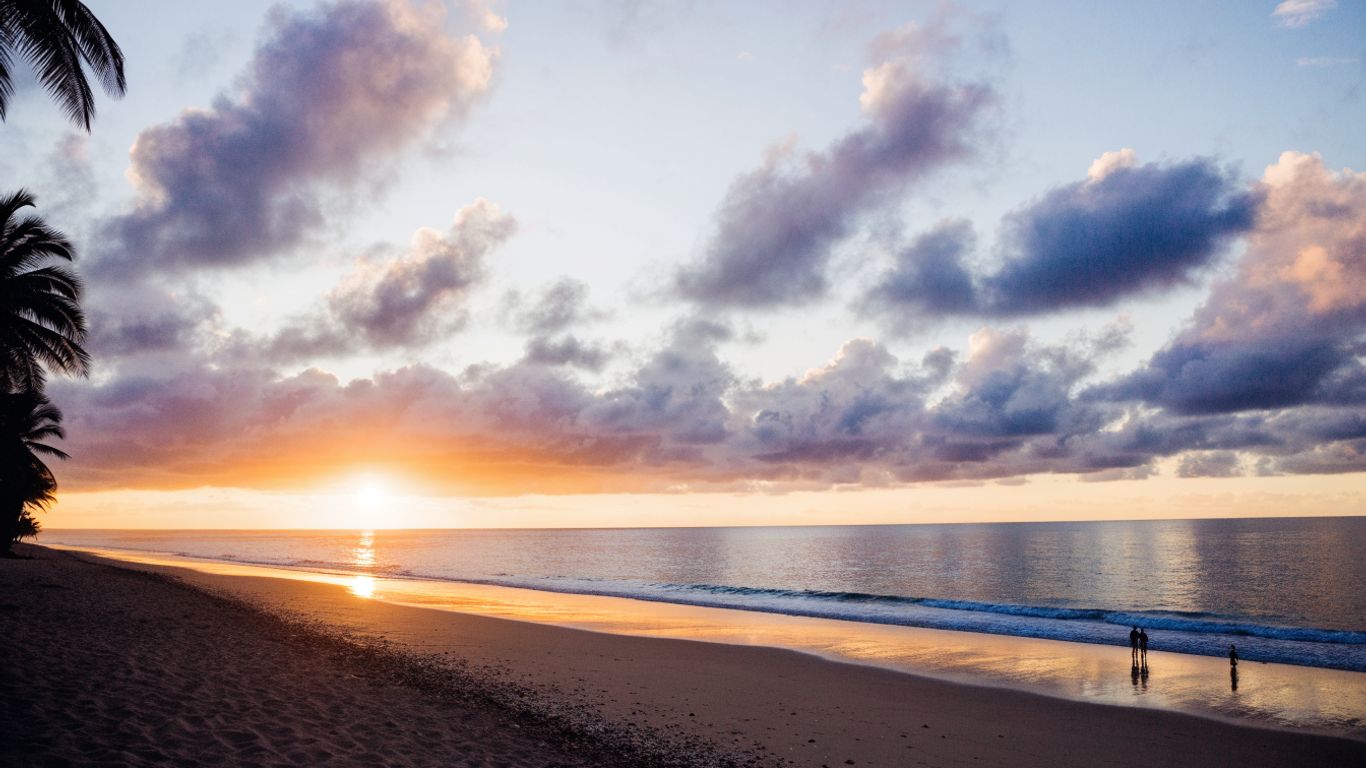
A Guanacaste sunset can be a quiet beach walk, a viewpoint above the coast, or simply a pause at the end of a warm day. A little flexibility makes it easier to enjoy the changing light wherever you are.
- Look for a clear western horizon, then choose a beach or viewpoint that suits your evening.
- Sunset times shift modestly through the year; check the local time and arrive early.
- Cloud patterns can soften or intensify the colors, so treat forecasts as a guide rather than a promise.
- Bring water, sun protection, and footwear suited to the route back after dusk.
- Take photos if you like, but leave room to watch the last light without a screen.
Where to watch the sunset
Guanacaste’s Pacific coast gives sunset watchers a natural place to begin: the ocean opens toward the western horizon, and the shoreline offers many ways to settle in for the evening. Some people prefer a long, open beach; others are happier with a view from higher ground or a familiar spot near where they are staying. The best choice is often the one that feels easy to reach and comfortable to linger in. For sunset hunters in Guanacaste, the setting can matter as much as the colors in the sky.
Pacific beaches with wide-open horizons
A broad stretch of sand gives you an uninterrupted view as the sun lowers toward the water. Find a place where you can sit above the wet sand and keep a little distance from the waterline, which may shift as the tide comes in. Popular beaches can feel lively at this hour, while quieter sections offer more room for a peaceful walk. At Arcadia at Brasilito Beach, ocean-view residences have direct beach access, bringing the Pacific shoreline close at hand.
Headlands and viewpoints for elevated views
A headland or hillside can reveal more of the coastline than you can see from the sand. These spots make it easier to watch the sun, the water, and the changing outline of the shore at once. Choose a viewpoint with a clear, safe place to stand, and take care on uneven paths, especially as daylight fades. A higher vantage point can be lovely, but it is worth checking how you will get back before you set out.
How to choose a spot near your base
A good sunset plan need not involve a long drive. Think about the distance, the route home, and whether you would rather have a lively shoreline or a quieter corner. Brasilito, Conchal, Flamingo, and Tamarindo each offer a different coastal setting, so it can be useful to compare the practical details before choosing where to spend the evening. For a home base with a walkable lifestyle and direct beach access, Arcadia at Brasilito Beach is one option to consider; the best fit depends on how you want your everyday connection to the coast to feel.
When to plan your outing
The sun sets at a fairly consistent hour in Guanacaste because the region lies close to the equator, though the exact time changes over the course of the year. That makes it possible to build a relaxed routine around the evening light rather than plan for dramatic seasonal swings. Check the local sunset time on the day you go, and leave enough time to arrive without rushing. A few extra minutes can turn a quick stop into an unhurried part of the day.
What sunset times to expect through the year
In this part of Costa Rica, sunset generally falls in the early evening, with the time moving somewhat across the calendar. Look up the exact time for your location rather than relying on a time remembered from another month or another beach. The horizon may still glow after the sun disappears, so there is no need to pack up at the first moment of darkness. Keep in mind that cloud cover can make the light seem to fade sooner.
How the dry and green seasons affect skies
The dry season often brings many clear evenings, while the green season can bring more clouds and changing conditions. Neither pattern guarantees a particular kind of sunset. A clear day can finish with a muted sky, and a day with passing showers may open into a vivid stretch of evening light. Plan with the season in mind, but leave room for the weather to surprise you.
Why to arrive before the sun reaches the horizon
Arriving early gives your eyes time to adjust and lets you choose a comfortable place before the light begins to change quickly. You may catch a softer glow on the shore before the sun reaches the horizon, then stay for the colors that appear afterward. Early arrival also makes it easier to notice your route back while there is still daylight. If you want more ideas for timing and locations, this Guanacaste sunset guide offers another useful perspective.
How to find the best sunset conditions
A sunset forecast is less a promise than a snapshot of what the sky may do. Look for the shape and position of clouds as well as the chance of rain, and check again near the time you plan to leave. Conditions can vary along the coast, so a forecast for one beach may not describe the view from another. Patience helps: sometimes a brief opening is all the evening needs.
Reading cloud cover and local forecasts
A general forecast can help you decide whether to bring a light layer or expect passing showers, but it cannot tell you exactly what the horizon will look like from your chosen spot. High, scattered clouds may catch the low sun, while a dense bank close to the western horizon can obscure it. Use a simple guide to interpret what you see rather than treating any one condition as a guarantee.
| Sky condition | What it may mean for the view | A practical approach |
|---|---|---|
| Mostly clear | The sun may remain visible as it approaches the horizon | Choose a spot with an open western view |
| Scattered clouds | Clouds may catch warm light in patches | Stay a little longer to watch the colors shift |
| Thick clouds near the horizon | The sun may disappear from view early | Enjoy the changing sky, even without a visible sun |
| Showers nearby | Visibility and cloud cover may change quickly | Check conditions again before heading out |
The table is only a starting point; clouds can move and break apart while you are on the beach. For a broader look at the evening, check the sky yourself and be prepared to enjoy whatever version of the sunset arrives.
Spotting clear breaks along the coast
If clouds gather over one part of the coast, the view can look different a short distance away. From a safe, accessible place, scan the western horizon for openings between cloud banks. Avoid making a rushed drive on unfamiliar roads simply to chase a small patch of clear sky; a nearby beach or viewpoint may offer a pleasant alternative. The point is to make the evening enjoyable, not to turn it into a race.
Knowing when clouds can make the colors more dramatic
Clouds are not always a reason to call off the outing. Thin or broken clouds can catch warm light, adding depth and color above the water, while thicker clouds can soften the whole scene. What matters is where they sit in relation to the horizon and how the light reaches them. Give the sky a few minutes after sunset, too; the color can change after the sun itself has slipped away.
What to bring for a comfortable evening
A short sunset outing is easier when you pack for both the beach and the walk back. The ground may be warm sand, uneven path, or pavement, and the temperature can feel different once the sun is gone. Keep your bag light enough to carry comfortably, with room for the few things that make the return easier. A little preparation leaves more attention for the view.
Choosing clothing and footwear for the location
Light, breathable clothing is comfortable in the warm part of the evening, and a thin layer can be useful if a breeze picks up by the water. Sandals may suit a level beach, while closed shoes are a better choice for an uneven path or rocky viewpoint. Consider whether you will be walking on wet sand or stepping over stones before you leave. Choosing footwear for the whole route, not just the first few steps, makes a difference after dark.
Packing water, sun protection, and a light
Even a brief outing can stretch into a longer stay once the sky begins to change. A compact set of essentials keeps that flexibility comfortable:
- Carry water, especially if you have been outside through the afternoon.
- Apply sun protection before sunset; the late light does not mean the day’s exposure is over.
- Bring a small light for the walk back after dusk.
- Pack a light layer if you expect a breeze or a longer wait.
Keep the light easy to reach rather than buried at the bottom of a bag. When you are ready to head back, it helps you see the path without relying on your phone battery.
Protecting a phone or camera from sand and salt spray
Fine sand and sea spray can find their way into pockets and bags, especially when a breeze comes off the water. Use a small protective pouch, and keep lenses or screens covered when you are not taking a picture. Wipe equipment with a clean, soft cloth rather than brushing grit across a lens. A simple habit—putting the device away between shots—can help you enjoy the evening without constantly tending to it.
How to photograph Guanacaste sunsets
The light changes quickly at sunset, which is part of what makes photographing it satisfying. You can keep the process simple: find a view you like, take a few frames, and notice what is happening around you as well as on the screen. A phone is perfectly adequate for recording a moment, and the best image may not be the one with the brightest colors. Let the scene guide your choices rather than trying to force a particular look.
Adjusting exposure for bright skies
When the sky is much brighter than the foreground, a camera may render the land as a dark shape. On a phone, tap the bright part of the scene and adjust exposure slightly if the highlights seem washed out; a small change is often enough. Take a couple of versions rather than making a long series of nearly identical shots. The changing natural light is fleeting, so a simple adjustment lets you return your attention to the view.
Capturing silhouettes, reflections, and changing colors
A person, palm, or boat can give a sunset image a sense of scale when it appears as a clean silhouette against the sky. On calm water or wet sand, look for reflections that lead the eye toward the horizon. Colors often shift from gold to pink or deeper tones, so try one frame early and another after the sun has dropped. A short clip can also keep the movement of waves in the memory of the evening.
Whatever you capture, make room to put the camera down. The color in a photograph can be adjusted later, but the view in front of you will only happen once.
Taking photos while staying present
Choose a few moments to take pictures, then let the rest of the sunset unfold without checking each frame. Notice the breeze, the sound of the water, and the gradual change in the light. If other people are nearby, be mindful of where your camera points and avoid interrupting their quiet moment. The evening does not need to become a project to be worth remembering.
How to enjoy sunset outings responsibly
A beautiful shoreline is also a place to move carefully and respect the people and nature around you. Conditions can change as daylight fades, and a route that felt simple in the afternoon may be less clear on the way back. Check access and local guidance before you go, then leave yourself enough time to return safely. That small measure of care helps keep the experience calm and welcoming.
Checking access rules and local conditions
Before setting out, check whether your chosen beach or viewpoint has access restrictions, posted guidance, or local conditions that affect the route. Respect any closures and avoid entering private or restricted areas. Guanacaste’s coastal setting supports a rich variety of nature; a look at coastal wildlife near Brasilito is a reminder that the shoreline is habitat as well as scenery. Observe wildlife from a respectful distance and follow local guidance.
Leaving beaches and viewpoints as you found them
Carry out everything you bring, including food scraps and small pieces of packaging that can be easy to overlook in the dim light. Keep music low, give other visitors room, and avoid disturbing plants or wildlife for a better photograph. A quiet, clean beach is a gift to the next person who comes to watch the sky. At Arcadia at Brasilito Beach, the community is described as combining modern design with a connection to nature and community; the same attentiveness is welcome wherever you spend the evening.
Staying aware of tides, surf, and the return journey
Keep a comfortable distance from the water, and do not assume the shoreline will remain equally easy to cross as the tide changes. Surf can be stronger or less predictable than it appears from a distance, so stay out of the water if conditions are uncertain. Before dusk, notice your route back, where you parked, and whether you have a light. A little awareness lets the end of the evening feel as peaceful as the beginning.
Conclusion
A Guanacaste sunset does not ask for much: a thoughtful choice of shoreline or viewpoint, a little attention to the sky, and time to stay until the light has changed. Bring what you need, move with care, and leave space to watch rather than simply record. The colors will be different tomorrow, which is part of the pleasure of coming back.
Frequently Asked Questions
What time does the sun set in Guanacaste?
Sunset generally falls in the early evening, with the exact time shifting somewhat through the year. Check a local sunset listing for your date and location.
Which direction should I face to watch the sunset?
Look toward the western horizon. On the Pacific coast, an open stretch of beach often gives a clear view over the water.
Is the dry season always better for sunsets?
No season guarantees a colorful sunset. Dry-season evenings may often be clearer, while clouds in the green season can sometimes catch the light beautifully.
How early should I arrive at the beach?
Arriving 20 to 30 minutes before the listed sunset time gives you a chance to find a spot and watch the light change. Stay a little afterward if conditions are comfortable.
Can cloudy skies still make a good sunset?
Yes. Thin or scattered clouds may take on warm color, though a thick bank near the horizon can hide the sun. The result varies from evening to evening.
What should I bring for a sunset walk?
Water, sun protection, comfortable footwear, and a small light for the return are useful basics. A light layer can also be handy if a breeze comes up.
Is it safe to walk on the beach after sunset?
It depends on the beach, access, surf, tide, and route back. Check local guidance, stay clear of uncertain water conditions, and carry a light if you will be returning after dark.
Updated October 28, 2026
