Key Takeaways
Guanacaste’s Pacific coast offers many ways to enjoy the last light, from lively beaches to quieter stretches of shore. A little flexibility helps you make the most of the evening.
- Clouds, clear horizons, and changing weather all shape the colors you see.
- Tamarindo and Playa Conchal offer distinct coastal settings for sunset.
- Arriving before sunset gives you time to settle in and watch the light change.
- Inland viewpoints trade open ocean horizons for forest and hill silhouettes.
- Check local conditions and plan a safe route back before dusk.
What makes Guanacaste’s sunsets so colorful
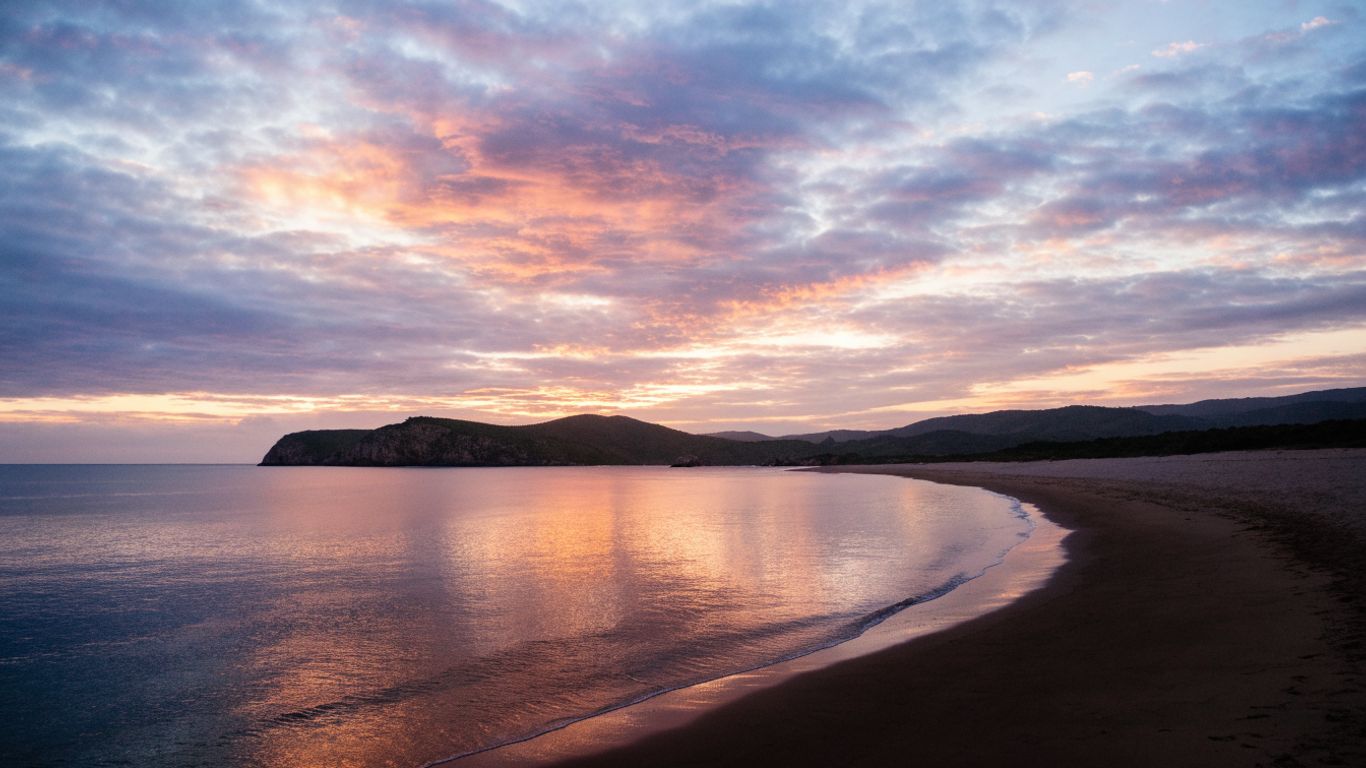
Colorful displays at Guanacaste when the sun goes down are shaped by more than the sun itself. The western horizon, the day’s cloud cover, and the season all contribute to the view. Some evenings glow with layered color, while others are quieter and more subtle.
How clouds and atmospheric conditions shape the colors
As sunlight travels through more of the atmosphere near the horizon, its shorter blue wavelengths scatter, leaving warmer tones more visible. Clouds can catch that light and make the sky appear layered, but a thick bank can also hide the sun. The effect varies from one evening to the next, so a bright, clear afternoon is no promise of a vivid sunset.
A few common conditions help explain why the same beach can look different on different nights:
| Condition | Possible effect | What you may see |
|---|---|---|
| Thin, scattered clouds | Catch the low-angle light | Warm bands of color above the horizon |
| A clear sky | Leaves the sun unobstructed | A simple, bright horizon and softer color spread |
| Thick cloud cover | Blocks direct sunlight | Muted light or a sunset hidden from view |
| Rain showers nearby | Can shift visibility quickly | Brief openings, changing clouds, or a washed-out sky |
Use the table as a guide, not a forecast: cloud position matters, and conditions can change before the sun reaches the water.
Why the Pacific horizon creates a dramatic backdrop
Along Guanacaste’s Pacific coast, the open water gives the eye a long, uncluttered line to follow as the sun drops. That broad horizon can make small changes in color feel expansive, especially when the sea reflects a little of the evening light. From a beach, the view is close and immersive; from a headland, it may include more of the coastline.
The horizon is not always perfectly clear. Islands, headlands, boats, and low clouds can interrupt it, adding shape and scale to the scene. Those details are part of what makes choosing a specific vantage point worthwhile.
How the dry and green seasons can change the view
Guanacaste’s dry months often bring clearer skies, while the greener months can bring more cloud and changing weather. Neither season guarantees a particular sunset. A cloudless evening may offer a clean view of the sun, while scattered clouds can pick up a richer range of color.
Think of the season as context rather than a promise. If the sky looks unsettled, it may still open near the horizon; if it is completely clear, the view can be beautiful in a quieter way.
Where to watch the sunset in Guanacaste
The best place to watch sunset depends on the kind of evening you want: a social beach, a distinctive shoreline, or a quieter place to pause. Guanacaste’s coast offers all three, though access and conditions vary by location. Arriving with a flexible plan makes it easier to enjoy the view wherever the light is best.
Tamarindo’s beach and lively waterfront
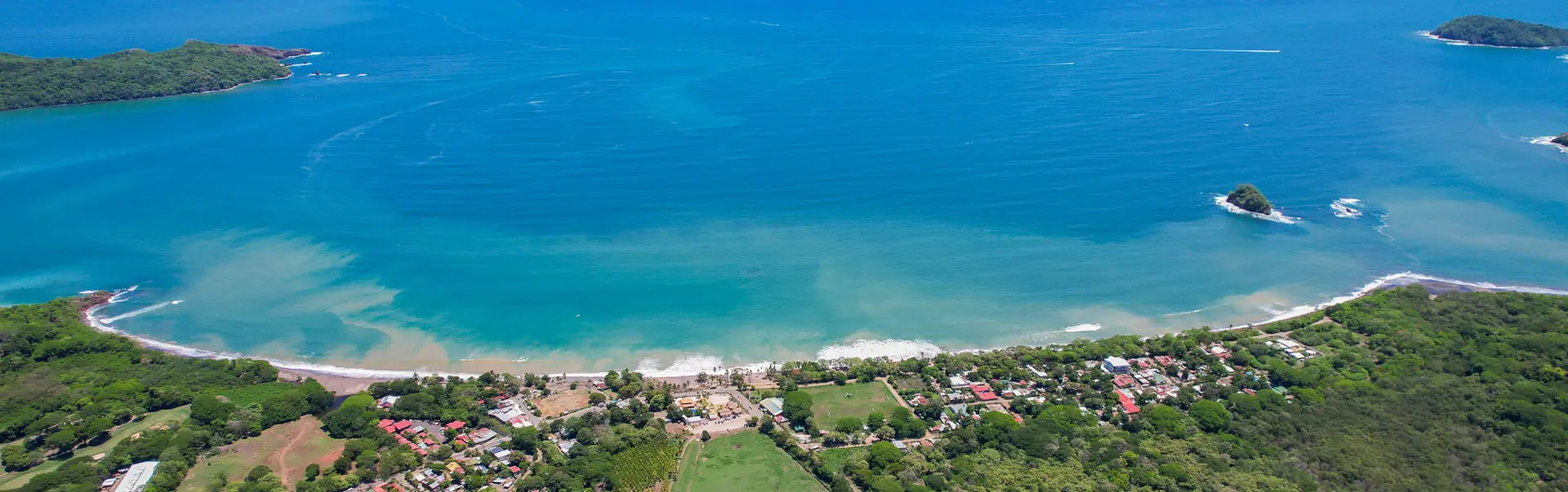
Tamarindo’s beach gives you room to walk along the shore, find a place to sit, and watch the sky change over the Pacific. Its lively waterfront can make sunset feel like part of a longer evening out, rather than a stop that ends when the sun disappears. For a town-specific look at the beach ritual and timing, see this Tamarindo sunset guide.
If you prefer a broader view, look for a suitable elevated viewpoint nearby and check the route before setting out. Either way, the changing light is the main event, so leave yourself time to settle in rather than arriving at the last minute.
Playa Conchal’s distinctive shoreline
Playa Conchal is known for its pale, shell-like shoreline, which gives the coast a different look from a broad stretch of ordinary sand. The beach and water can provide a bright foreground as the evening light softens, although the exact colors depend on the sky and your position along the shore.
Nearby Brasilito offers its own beachside setting. Arcadia at Brasilito Beach is a master-planned community of luxury beachfront condos with direct beach access and ocean-view residences. Its location makes the coast easy to reach from a beachside base, while sunset itself remains a matter of weather and timing.
Quiet coastal viewpoints away from town
A less busy stretch of coast or a safe, accessible viewpoint can offer a calmer way to watch the light fade. Look for a place where you can stand or sit without blocking a path, and avoid unfamiliar private roads or unstable edges. For visitors drawn to Brasilito’s natural surroundings, wildlife near the shoreline can be part of the broader coastal experience, though it is best observed without approaching or disturbing animals.
The best quiet spot is not necessarily the most remote one. A familiar beach with a clear route back can be more relaxing than an isolated viewpoint reached in fading light.
When to catch the best evening light
Sunset is a short event, but the light begins changing well before the sun touches the horizon. Giving yourself extra time lets you see the shift from late-afternoon brightness to warmer tones and then twilight. Since the exact view depends on clouds and visibility, it helps to think in terms of a window rather than a single perfect minute.
How to check local sunset times
Look up the sunset time for your location and date using a current local forecast or a reliable weather app. The time shifts through the year, and a nearby town may have slightly different conditions even when its clock time is similar. Check again on the day, especially if you are planning to drive to a viewpoint.
For a beach outing, allow time to park, walk to the shore, and find a comfortable place to watch. The posted sunset time marks the sun’s disappearance, not the beginning of the evening colors.
Why arriving before golden hour helps
Arriving early gives your eyes time to adjust to the changing light and lets you choose a foreground without rushing. The beach may also feel different before the sun reaches the horizon: shadows lengthen, colors warm, and familiar details take on softer edges. That gradual transition is part of the experience, not just a prelude to the final moment.
A little patience can make the outing feel less like a photograph hunt and more like an evening at the coast. You may find that the most memorable light arrives just before or after the sun itself disappears.
How cloud cover and rain can affect visibility
Clouds near the horizon can conceal the sun, while higher, scattered clouds may catch the last light. A passing shower can change visibility quickly, so check the forecast shortly before leaving and keep a flexible alternative in mind. Even when the sun is hidden, the sky may brighten or color the clouds for a few minutes.
If the weather looks uncertain, choose a spot with a straightforward exit and shelter or a nearby place to wait. The point is to enjoy the evening safely, not to chase a view through worsening conditions.
How the scenery changes from beach to inland
Guanacaste’s sunset scenery is not limited to the water’s edge. Along the coast, the Pacific provides an open western horizon; farther inland, hills and forest can frame the light. The setting changes the shape of the view, while the season changes the colors and textures around it.
Coastal views over the Pacific
From the beach, the horizon can feel wide and uninterrupted, and the ocean may reflect a band of color as daylight fades. The sound and movement of the water add another layer to the scene, one that a camera cannot fully capture. Arcadia at Brasilito Beach offers ocean-view residences in a beachfront setting, a natural fit for people who value the Pacific as part of their surroundings.
A coastal view changes with the tide, the cloud line, and the angle from which you watch. Even moving a short distance along the shore can shift what sits in the foreground.
Sunsets framed by Guanacaste’s dry forests
Inland, trees and rolling terrain can turn the sunset into a composition of silhouettes rather than an open water view. During drier periods, the landscape may look more muted; after rain, vegetation can appear fuller and greener. The sun may disappear behind land before it reaches the horizon, so the surrounding sky and the last light on the landscape become especially important.
Choose a spot with a safe, clear view and enough room to pause. An inland sunset can feel more sheltered than a beach scene, but it still depends on open sightlines and suitable access.
Seasonal differences across the province
The province’s landscapes shift with the seasons, from drier-looking vegetation in the dry months to greener surroundings during wetter periods. The coast and inland areas can also have different cloud cover on the same day. Those contrasts make it worth checking the local conditions rather than assuming the view will match what you saw somewhere else in Guanacaste.
If you have several evenings, try more than one setting. A beach horizon and a forest-framed sunset offer different pleasures, even when the sky is similar.
How to plan a sunset outing
A relaxed outing starts with a place that suits your pace and a practical plan for getting there and back. A beach may be simplest, while a boat trip or elevated viewpoint can offer a different perspective. Keep the weather, access, and fading daylight in mind so the evening feels unhurried.
Choosing a beach, viewpoint, or boat trip
A beach is an easy choice if you want space to walk and the Pacific in front of you. A viewpoint can open up a wider panorama, while a boat trip changes the angle entirely and depends on operator schedules and sea conditions. Arcadia at Brasilito Beach combines beachfront condos with direct beach access, a practical feature for anyone planning to enjoy the coast on foot from a Brasilito base.
Choose one main plan and keep a nearby alternative in mind. That way, a crowded beach or a cloudy horizon does not have to derail the evening.
Checking access, tides, and weather
Before leaving, check whether your chosen beach or viewpoint is accessible at the time you plan to visit, and look at the local forecast. Tides can change how much shoreline is exposed, while rain or wind may affect comfort and visibility. For a boat outing, follow the operator’s guidance and confirm that conditions are suitable before setting out.
Small checks can spare you a rushed arrival. Confirm your route, know where you can park, and avoid assuming that a path or beach entrance will remain easy to use after dark.
Staying safe as daylight fades
A safe return is part of a good sunset plan, especially if you are visiting an unfamiliar stretch of coast. Before you settle in, make sure you know how you will get back and that your route is usable in low light. A few simple preparations help keep attention on the evening rather than on finding your way out.
Consider these practical steps before the light starts to fade:
- Save the route and meeting point on your phone before you leave.
- Bring a small light and keep your phone charged.
- Stay clear of unstable edges, surf, and unfamiliar roads after dark.
- Tell someone your plan if you are heading to a remote viewpoint.
These small habits are easy to arrange in daylight and useful once the beach or trail grows dim. If conditions change, choose the safer route rather than extending the outing for one more view.
How to photograph the evening colors
Photographing sunset is less about special equipment than noticing how the scene changes from moment to moment. A phone or camera can record the colors, but the view is also shaped by where you stand and what you leave in the frame. Take a few photographs, then give yourself time to watch without a screen.
Finding a clear foreground and horizon
A clean horizon gives the image a sense of space, while a foreground detail—a line of surf, a palm, or a dark headland—helps place the viewer in the scene. Before taking a picture, check the frame for distractions and make sure the horizon looks level. Moving a few steps can make a noticeable difference.
Keep some room around the sun and clouds rather than filling the entire frame with the brightest area. This gives the color and surrounding landscape room to work together.
Adjusting exposure as the light changes
As the sun lowers, the brightness of the sky can fool a camera into making the scene look darker than it feels. Tap the brightest part of the sky on a phone screen, then adjust exposure slightly if the rest of the frame becomes too dim. Take a few versions rather than relying on one setting throughout the evening.
The light changes quickly near sunset, so check each image as you go. Colors may look more intense on a screen than they did in person; a restrained adjustment often preserves the natural feel of the scene.
Capturing the scene without distracting from the moment
A short sequence can capture the changing colors better than a single image: one frame before sunset, one as the sun reaches the horizon, and another as twilight settles in. If you want moving footage, keep the camera steady and record only a brief clip. This
Then put the camera away for a while. The quiet shift from sunset to evening is easy to miss when every moment is spent checking a screen.
Conclusion
Guanacaste’s sunsets reward a little patience and an open mind: the Pacific horizon, a pale beach, or a forested inland view can each make a memorable evening. Choose a safe, accessible place, arrive before the light peaks, and let the sky decide what colors it has to offer.
Frequently Asked Questions
What time does the sun set in Guanacaste?
The time changes through the year, so check a current sunset listing for your location and date. Arriving early gives you more time to settle in and enjoy the changing light.
Which beach is best for watching sunset in Guanacaste?
It depends on the evening you want. Tamarindo has a lively waterfront, Playa Conchal has a distinctive pale shoreline, and quieter beaches can offer a calmer atmosphere.
Is the dry season or green season better for sunsets?
Neither season guarantees better colors. Drier periods can bring clearer skies, while scattered clouds in wetter months may catch the light; local weather matters most on the day.
Can you see the sunset from inland Guanacaste?
Yes. Inland viewpoints may frame the light with hills or forest instead of an open ocean horizon. Look for a clear sightline and a safe route back.
How early should I arrive to watch the sunset?
Arrive with enough time to park, walk to your chosen spot, and settle in before the sun reaches the horizon. The light often begins changing well before sunset itself.
Do tides affect sunset beach views?
Tides can change the amount of exposed shoreline and the foreground in your view. Check local tide information if you want to walk along the beach or photograph reflections.
What should I bring for a sunset outing?
Bring water, sun protection, a charged phone, and a small light for the return trip. Check the forecast and choose footwear suited to the beach or path you plan to use.
Updated October 21, 2026